Blog
How Passivation Prevents Rust in Surgical Instruments (Ultimate Guide)
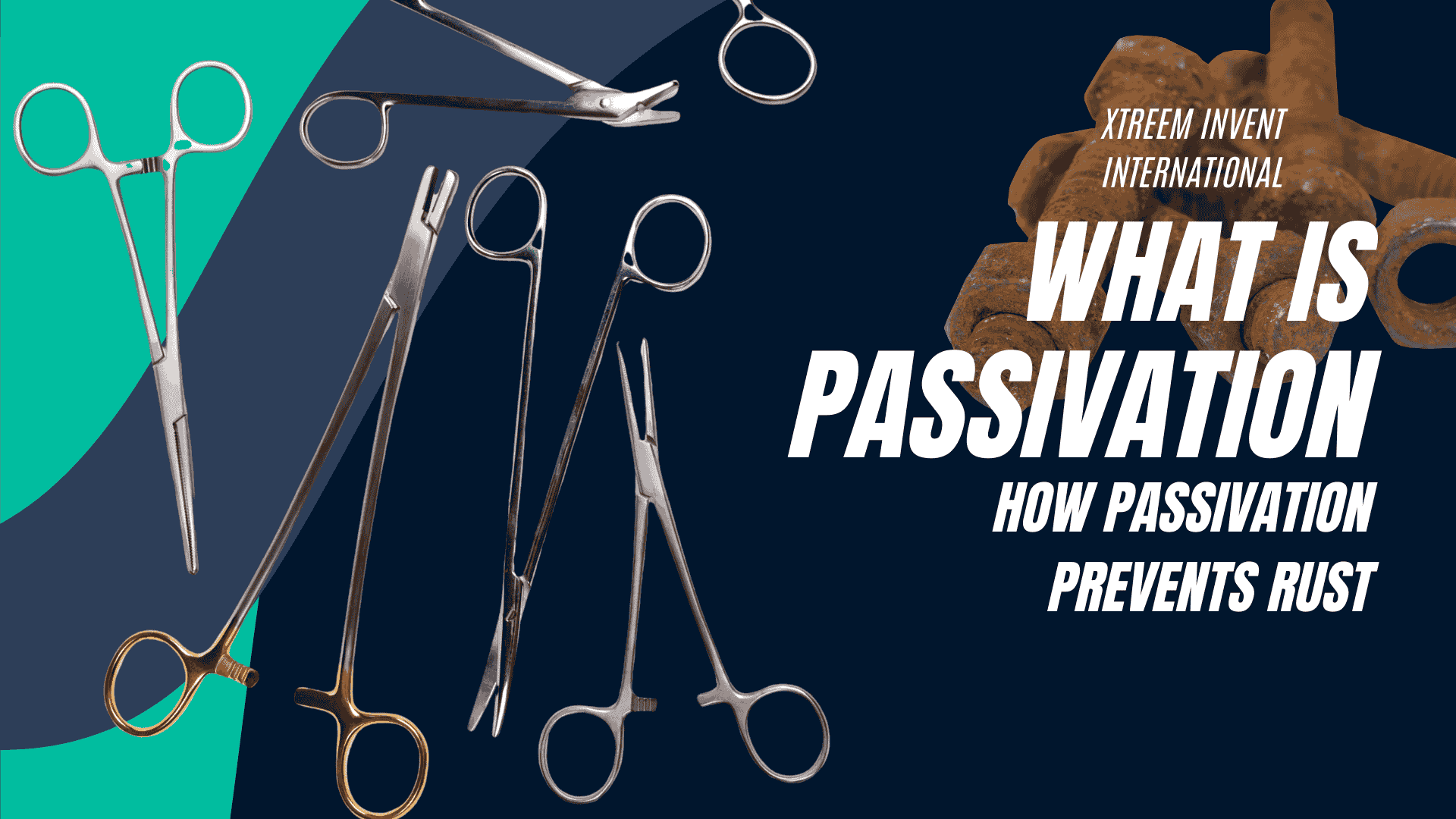
Passivation is one of the most critical processes used to enhance the durability and corrosion resistance of stainless steel instruments. Whether you are a distributor, importer, or supplier, understanding passivation helps you ensure you are delivering high-quality, long-lasting products to your clients. In competitive markets like the USA, Mexico, and Malaysia, passivation is not just a feature it’s a quality standard that defines premium-grade instruments.
This article explains what passivation is, how it works, and why it is essential for maintaining the quality, safety, and longevity of surgical instruments.
What is Passivation?
Passivation is a chemical treatment that removes surface impurities such as free iron and enhances the natural ability of stainless steel to resist corrosion. Instead of adding a coating, passivation strengthens the metal by forming a thin chromium oxide layer that protects against rust, moisture, and chemicals. This process is essential for maintaining clean, durable, and export-quality instrument
Why Passivation Matters for B2B Buyers
For B2B buyers, it is critical because it directly impacts product durability, compliance, and long-term cost efficiency. It enhances corrosion resistance, ensures consistent quality, and extends instrument lifespan reducing replacements and maintenance expenses. Ultimately, sourcing passivated instruments means better reliability, safety standards, and higher value for bulk procurement.
For importers and distributors, passivation directly impacts:
- Product lifespan
- Customer satisfaction
- Return and replacement rates
- Brand reputation
Non-passivated instruments are more likely to develop rust during shipping, storage, or use especially in humid environments. Passivated instruments reduce complaints and increase buyer trust and repeat orders.
How Passivation Prevents Corrosion
Passivation prevents corrosion by removing free iron and contaminants from the surface of stainless steel, which are the main causes of rust. It then enhances the formation of a thin chromium oxide layer that acts as a protective barrier against moisture, oxygen, and chemicals. This layer significantly improves corrosion resistance and keeps instruments durable over time.
Passivation works at a microscopic level to improve corrosion resistance:
- Removes Free Iron → eliminates rust-causing particles
- Forms Oxide Layer → creates a protective barrier
- Blocks Moisture & Chemicals → prevents surface reactions
- Improves Surface Cleanliness → reduces contamination risk
This makes stainless steel significantly more resistant to environmental damage.
Passivation Process (Step-by-Step)
The passivation process involves a series of controlled steps to ensure maximum corrosion resistance and surface cleanliness. It begins with thorough cleaning to remove oils and contaminants, followed by acid treatment (nitric or citric) to eliminate free iron. The instruments are then rinsed and dried, resulting in a clean surface with an enhanced protective oxide layer that prevents rust.
The process includes:
- Pre-Cleaning – Removes oil, grease, and dirt
- Acid Treatment – Nitric or citric acid removes contaminants
- Rinsing – Eliminates chemical residues
- Drying & Inspection – Ensures corrosion-resistant finish
A properly controlled process ensures consistent quality across bulk production.
Key Benefits
- Superior corrosion resistance
- Longer product lifespan
- Improved surface cleanliness
- Better performance in humid conditions
- Reduced risk of rust during shipping
For exporters, this means fewer losses and stronger client relationships.
Comparison Table: Passivated vs Non-Passivated
| Feature | Passivated Instruments | Non-Passivated Instruments |
|---|---|---|
| Corrosion Resistance | High | Low |
| Rust Risk | Minimal | High |
| Surface Quality | Clean & smooth | Contaminated |
| Durability | Long-lasting | Short lifespan |
| Export Quality | Premium | Low-grade |
| Customer Satisfaction | High | Low |
Types of Passivation Methods
Passivation methods mainly include nitric acid and citric acid treatments, both designed to remove surface contaminants and enhance corrosion resistance. Nitric acid is a traditional and powerful method widely used in industrial processes, while citric acid is a safer, eco-friendly alternative gaining popularity in modern manufacturing. Both methods effectively improve the durability and quality of stainless steel instruments.
Nitric Acid
- Strong and traditional method
- Effective in removing iron contamination
- Widely used in industrial production
Citric Acid
- Eco-friendly alternative
- Safer handling
- Preferred for modern manufacturing
Both methods enhance stainless steel corrosion resistance, depending on production requirements.
Final Insight: Upgrade Your Product Quality
In today’s global market, quality is what separates average suppliers from trusted brands. Passivation is not just a technical step — it’s a competitive advantage that ensures your instruments remain rust-free, durable, and ready for international standards. For distributors and importers, choosing passivated stainless steel products means fewer complaints, better performance, and stronger business growth. It reflects your commitment to delivering reliable, export-quality instruments that clients can trust.
If you want to stand out in the market and build long-term partnerships, investing in properly passivated instruments is the smartest move. Because in B2B trade, quality drives reputation and reputation drives sales.
Frequently Asked Question (FAQs)
1. What is passivation in stainless steel?
Passivation is a chemical process that removes impurities and improves corrosion resistance.
2. Why is important for exporters?
It prevents rust during shipping and storage, reducing product returns.
3. Does passivation add a coating?
No, it enhances the natural protective oxide layer of stainless steel.
4. Which method is better: nitric or citric acid?
Both are effective; citric acid is more eco-friendly, while nitric is more traditional.
5. Can stainless steel rust without passivation?
Yes, without this, stainless steel is more vulnerable to corrosion.
Cohen-Style Uterine Cannula: A Reliable Choice for Precision Gynecology Instruments
How Passivation Prevents Rust in Surgical Instruments (Ultimate Guide)